Comhairliúchán táirgí
Ní fhoilseofar do sheoladh ríomhphoist. Tá réimsí riachtanacha marcáilte -

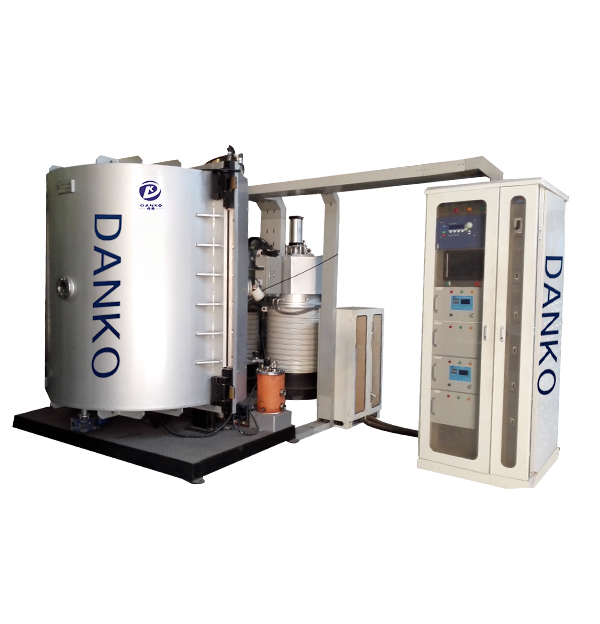
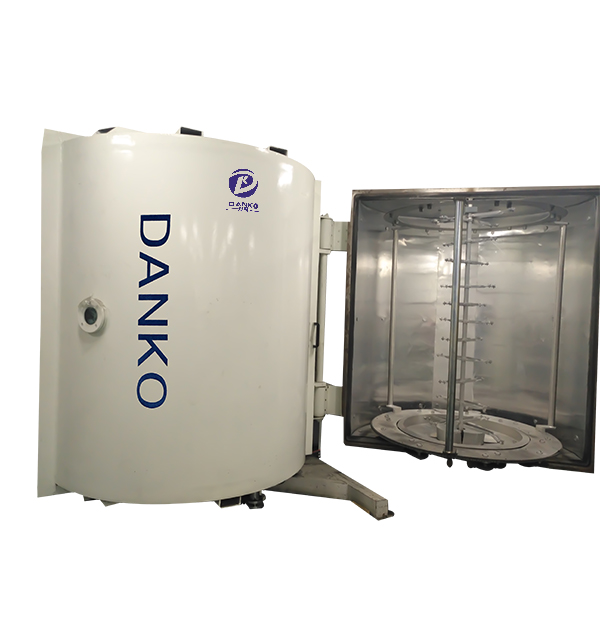
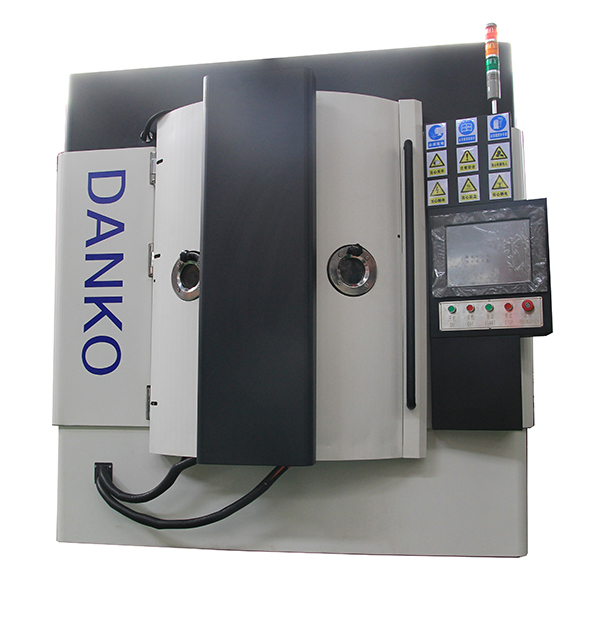
The well-configured hard coating machine minimizes orange-peel texture and flow marks primarily by adjusting coating viscosity, line speed, airflow, and UV/thermal cure parameters before and during material transitions. The root cause of these defects is a mismatch between the coating material's flow behavior and the machine's delivery or curing settings — and solving it requires a systematic, parameter-driven approach rather than trial and error.
Orange-peel texture typically appears when a high-viscosity coating fails to level properly before curing locks the surface. Flow marks, on the other hand, usually result from uneven material distribution during application — often triggered by abrupt viscosity changes during a material switchover. Both defects are preventable with proper machine setup and transition protocols.
When a hard coating machine switches from a high-viscosity coating (typically 80–150 mPa·s) to a low-viscosity one (typically 15–40 mPa·s), the flow dynamics change dramatically. The coating pump speed, slot-die gap, or dip withdrawal rate calibrated for thick material will over-apply thin material, creating runs and flow marks. The reverse switch — low to high — under-applies and leaves dry, orange-peel surfaces.
Most defects during switchover occur within the first 3–8 minutes of running new material if parameters are not pre-adjusted. Professional hard coating machine operators treat viscosity switchovers as a full process reset, not a minor adjustment.
The hard coating machine has several interdependent parameters that must be tuned together when switching coating materials:
The table below summarizes recommended hard coating machine parameter ranges when processing high-viscosity versus low-viscosity coating materials:
| Parameter | High-Viscosity (80–150 mPa·s) | Low-Viscosity (15–40 mPa·s) |
|---|---|---|
| Withdrawal / Line Speed | Slower (e.g., 50–80 mm/min) | Faster (e.g., 100–150 mm/min) |
| Leveling Zone Temp | 50–65°C | 35–50°C |
| UV Cure Delay | Longer (15–30 seconds) | Shorter (5–10 seconds) |
| Airflow Velocity | Medium (0.3–0.5 m/s) | Low (0.1–0.2 m/s) |
| Coating Tank Temp Control | 25–30°C (reduce viscosity slightly) | 20–25°C (prevent over-thinning) |
Many hard coating machine operators reduce orange-peel defects not only through machine settings but also by adjusting the coating formulation itself. Adding a slow-evaporating solvent (such as diacetone alcohol or butyl acetate) at 3–8% by weight extends the leveling window, allowing the coating surface to self-smooth before curing. This is especially effective for high-viscosity silicone-based or acrylic hard coats applied at film thicknesses above 5 microns.
Conversely, when switching to a low-viscosity material, avoid over-dilution — adding more than 10–12% solvent to an already thin coating can disrupt the crosslinker ratio and reduce final pencil hardness from the target 3H–5H down to H or below. Always verify viscosity with a cup viscometer (e.g., Ford #4 cup) before loading new material into the machine tank.
A structured switchover procedure significantly reduces the number of defective parts produced during a material transition. The following sequence is widely used in optical lens and display panel coating operations:
Factories running high-mix coating operations report that following a documented switchover protocol reduces material waste by 30–50% per transition compared to ad-hoc parameter adjustments.
Modern hard coating machines incorporate several hardware features specifically designed to maintain surface quality across viscosity changes:
The type of hard coating material also affects how the machine must be configured to avoid surface defects:
Silicone hard coats typically have higher surface tension and require a longer leveling window — often 20–40 seconds at 50–60°C — before UV or thermal cure. They are more forgiving of slight over-application but highly sensitive to airflow turbulence. On polycarbonate (PC) substrates, silicone coatings deliver pencil hardness up to 4H–6H with good adhesion, but orange-peel is common if cure begins before the surface has fully leveled.
UV-curable acrylic hard coats are faster to process but have a narrower process window. Because they cure almost instantly under UV exposure, the hard coating machine must deliver a perfectly uniform wet film before the substrate enters the UV zone. Flow marks are the dominant defect, particularly when switching from a thicker acrylic formulation to a thinner one. Maintaining coating tank temperature at 22–26°C and using a slow-evaporating co-solvent blend significantly stabilizes film formation.
Eliminating orange-peel and flow marks on a hard coating machine during viscosity transitions comes down to three fundamentals: measure viscosity before every material change, load the correct parameter recipe for that viscosity range, and run qualification parts before full production. Machines equipped with inline viscosity control, multi-zone UV curing, and recipe storage make this process significantly more reliable and repeatable. For operations switching between silicone and acrylic coatings regularly, investing in a machine with these features can reduce defect-related scrap by 40–60% over manual parameter management — a measurable return that justifies the equipment cost in most mid-to-high volume production environments.
Ní fhoilseofar do sheoladh ríomhphoist. Tá réimsí riachtanacha marcáilte -
Tel: +86-13486478562
FAX: +86-574-62496601
Ríomhphost: [email protected]
Address: Uimh. 79 West Jinniu Road, Yuyao, Ningbo City, Zhejiang Provice, an tSín